
Category

Trend and Insight

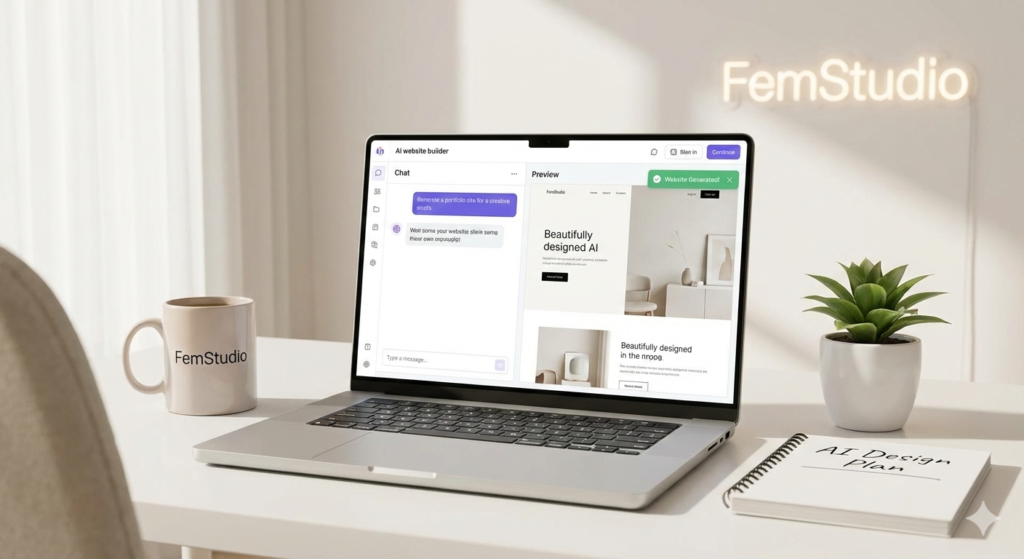
A laptop screen displaying an AI-powered website builder with glowing digital connections in a clean, professional studio setting.

Build a Website with AI: A Practical Guide to Launching for Free

By Brand & Visuals, Business Growth, Digital Strategy, Trend and Insight, Web Design

In 2026, you don’t need a massive budget to start your digital journey. Learning how to build a website with AI has become remarkably accessible, with powerful tools offering free tiers that allow you to design, write, and launch in a single afternoon.

At FemStudio, we believe in using technology to lower the barrier to entry for entrepreneurs. Here is your practical, free roadmap to building your site from scratch.

Step 1: Brainstorming & Structure (The Brains)

Before you touch a design tool, you need a plan. To build a website with AI effectively, start with a conversational assistant to map out your pages and features.

  • The Tool: ChatGPT or Claude.ai (Free Tiers).

  • What to do: Ask: “I am starting a [Business Type]. Can you give me a 5-page sitemap and a list of high-converting sections for my homepage?”

Step 2: Visual Generation & Layout (The Builder)

This is where the magic happens. You can now build a website with AI that actually looks professional without dragging a single box.

  • The Tool: Framer AI or ZipWP (Free Tiers).

  • What to do: * In Framer, type a descriptive prompt like: “A minimalist, high-end studio website for a photographer using beige and charcoal tones.” * ZipWP is excellent if you want a WordPress-based site; it will generate a full site with images and copy in under 60 seconds.

Step 3: High-End Visuals & Icons (The Aesthetic)

A high-converting website needs custom visuals. If you don’t have professional photos yet, use AI to create placeholders that match your brand.

  • The Tool: Leonardo.ai (150 free credits daily) or Canva Magic Media.

  • What to do: Generate high-resolution, aesthetic background images or icons that fit your color palette.

A laptop screen displaying an AI-powered website builder with glowing digital connections in a clean, professional studio setting.

Leveraging the future: How to build a high-performing website with AI tools.

Step 4: Persuasive Copywriting (The Voice)

To build a website with AI that actually sells, your words must be sharp.

  • The Tool: Copy.ai or ChatGPT.

  • What to do: Feed the AI your “About Me” details and ask it to: “Write a hero headline and three benefit-driven bullet points for my landing page using a professional yet approachable tone.”

The “Free” Checklist: What to Expect

When you build a website with AI for free, keep these three things in mind:

  1. Subdomains: Most free builders will give you a URL like yourbrand.framer.ai.

  2. Branding: Free tiers usually include a small “Built with…” badge at the bottom.

  3. Scaling: Once your traffic grows, you’ll eventually want to upgrade to a custom domain for better SEO.

Final Thoughts: From AI-Built to Brand-Ready

While anyone can build a website with AI, making that site look like a premium “Studio” brand requires a refined touch. AI gets you 80% of the way there, but the last 20%—the soul of the brand—is where the real conversion happens.

Is your AI-generated site looking a bit “cookie-cutter”? [Contact FemStudio for a Custom Brand Polish] — We take your AI foundation and add the professional design, custom SEO, and high-end aesthetics that turn a free site into a luxury brand experience.

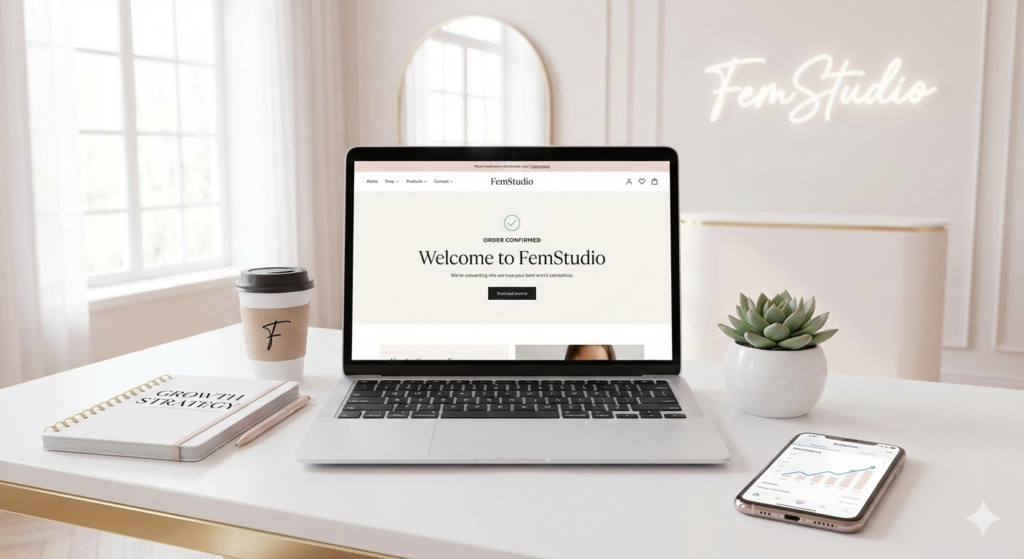
A modern, high-end workspace with a laptop displaying a sleek, high-converting website interface designed by FemStudio, featuring growth analytics and clear call-to-action buttons.

High-converting website: How to Turn Visitors into Customers

By Business Growth, Digital Strategy, Trend and Insight, Web Design

Building a high-converting website is the ultimate goal of any digital marketing strategy. It doesn’t matter how many people visit your site if they leave without taking action. In today’s competitive market, your website must do more than just look good—it must guide users toward a specific goal, whether that’s a purchase, a sign-up, or a phone call.

Here are the five essential pillars of a high-converting website in 2026.

1. Prioritize Mobile-First Design

More than 60% of web traffic now happens on mobile devices. A high-converting website must be fully responsive and lightning-fast on smartphones. If your mobile experience is clunky or slow, users will bounce before they even see your offer.

  • Tip: Use large buttons and ensure your forms are easy to fill out on a small screen.

2. Craft a Clear Value Proposition

The moment someone lands on your page, they should know exactly what you offer. A high-converting website uses a clear “Hero Section” to answer three questions in under five seconds:

  1. What do you do?

  2. How does it benefit the user?

  3. How do they get it?

3. Use Strategic Calls to Action (CTAs)

A high-converting website never leaves the user guessing. Your CTAs should be visually distinct (using high-contrast colors) and use action-oriented language. Instead of “Submit,” try “Get My Free Guide” or “Start My Trial.”

Pro Tip: Stick to one primary goal per page. Too many options lead to “decision paralysis” and lower conversion rates.

4. Build Trust with Social Proof

People buy from brands they trust. To create a high-converting website, you must include “trust signals” throughout the journey. This includes:

  • Customer testimonials and reviews.

  • Case studies or results.

  • Security badges and professional certifications.

5. Optimize for Speed and UX

User experience (UX) is the backbone of a high-converting website. A delay of just one second in page load time can lead to a 7% reduction in conversions. Ensure your site is optimized by compressing images, using a clean layout, and removing unnecessary pop-ups that frustrate users.

Summary Checklist for Success

Element Focus Area
Speed Load time under 2 seconds
Mobile Thumbs-friendly navigation
Copy Benefit-driven headlines
Trust Reviews and security icons
CTA One clear, bright button

Final Thoughts: Ready for a High-converting Website?

Building a high-converting website is an investment in your brand’s future. However, balancing technical speed, persuasive copywriting, and user psychology can be overwhelming when you’re busy running a business. You don’t have to do it alone.

At FemStudio, we specialize in transforming static websites into powerful sales engines. Whether you’re starting from scratch or looking to optimize your existing site, we help you bridge the gap between “just visiting” and “ready to buy.”

Ready to turn your traffic into revenue? [Contact FemStudio Today for a Free Conversion Audit]. Let’s look at your current site and identify the quick wins that will boost your bottom line.

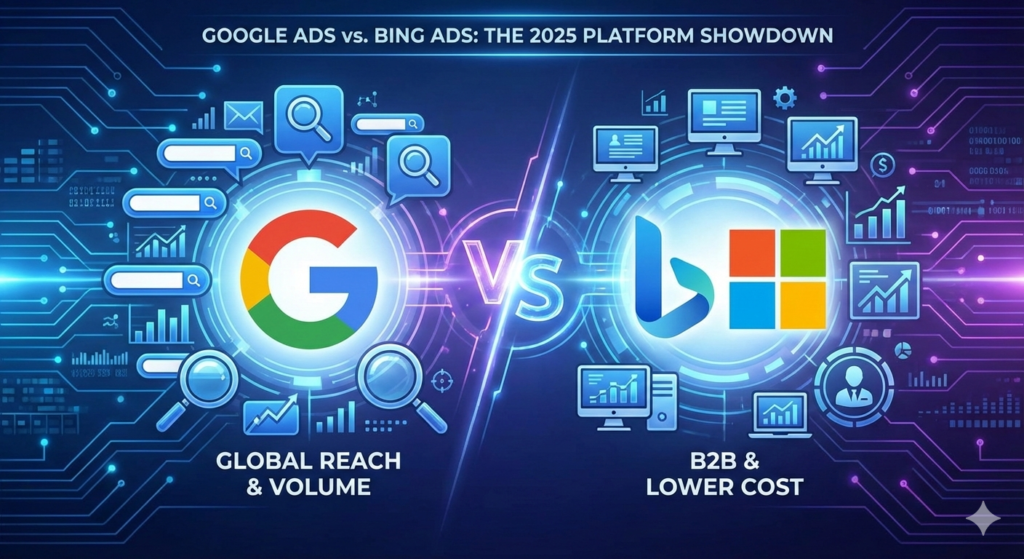
A futuristic digital comparison graphic titled 'Google Ads vs. Bing Ads: The 2025 Platform Showdown'. The left side features the Google logo with text 'Global Reach & Volume', while the right side shows the Bing and Microsoft logos with text 'B2B & Lower Cost', separated by a glowing 'VS' symbol.

Google Ads vs. Bing Ads: Which Platform Offers the Best ROI in 2025?

By Business Growth, Digital Strategy, Trend and Insight

Deciding between Google Ads vs Bing Ads is often the difference between a high-growth year and a wasted marketing budget. While Google is the household name, Microsoft Advertising (formerly Bing Ads) has become a high-performance alternative for brands looking for better ROI. In 2025, the debate isn’t about which is “better”—it’s about how to use both to dominate your niche.

1. Reach and Market Share: Volume vs. Precision

The biggest differentiator is the size of the audience.

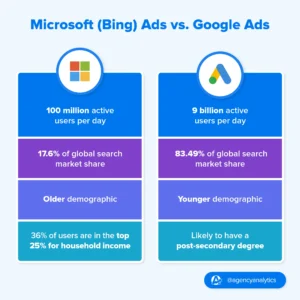
  • Google Ads: The undisputed king. Google holds roughly 90% of the global search market, processing over 8.5 billion searches daily. It includes Google Search, YouTube, Gmail, and the Google Display Network. If you need massive volume, Google is your first stop.
  • Microsoft (Bing) Ads: While its global share is smaller (around 8–12%), Bing is a powerhouse in the U.S. desktop market, where it captures nearly 30% of searches. Your ads also appear on Yahoo, AOL, DuckDuckGo, and even the Netflix ad-supported tier.

2. Cost and Competition: The Budget Factor

If you are working with a tighter budget or in a highly competitive industry (like Legal or Insurance), Bing often provides more “bang for your buck.”

  • Average CPC: Microsoft Advertising CPCs are typically 30–50% lower than Google Ads.
  • Competition: Because most brands flock to Google first, the auction environment on Bing is less crowded. This often leads to higher ad positions for a fraction of the price.

3. Audience Demographics: Who Are You Targeting?

The “who” is just as important as the “how many.”

  • Google’s Audience: Diverse, mobile-heavy, and spans every age group. It is the go-to for e-commerce, apps, and local “near me” searches.
  • Bing’s Audience: Generally older (35+), more affluent, and more educated. Because Bing is the default on Windows office computers, its users are often desktop-based professionals. This makes it a goldmine for B2B brands and high-ticket services.

4. Unique Targeting Features

Both platforms offer standard geographic and demographic targeting, but they have unique “secret weapons”:

  • Google’s Strength: Advanced AI-powered bidding and “Performance Max” campaigns that use Google’s massive data ecosystem to find customers across every channel automatically.
  • Bing’s Strength: LinkedIn Profile Targeting. Because Microsoft owns LinkedIn, you can target users by their specific company, job function, or industry. For a B2B marketer, this level of precision is unmatched by Google.

Comparison at a Glance (2025 Data)

Feature Google Ads Microsoft (Bing) Ads
Market Share ~90% (Global) ~10% (Global) / ~30% (US Desktop)
Avg. Cost-Per-Click Higher ($2.00 – $5.00+) Lower ($1.00 – $2.00)
Primary Device Mobile & Desktop Desktop (Workplace focus)
Best For Massive scale, B2C, Apps B2B, Older/Wealthy demographics
Special Feature YouTube & Local Search LinkedIn Profile Targeting

Which Should You Choose?

Choose Google Ads if:
* You need to scale quickly and reach the widest possible audience.
* Your product is visual (YouTube/Display) or mobile-first.
* You have the budget to compete in a high-stakes auction.
Choose Microsoft Ads if:
* You are in the B2B space and want to target decision-makers.
* You want a lower Cost-Per-Acquisition (CPA) and higher ROI.
* You want to “own” the desktop space while your competitors fight over mobile.

The Pro Strategy: Use Both

Most successful brands start with Google to capture volume and then import their campaigns directly into Microsoft Advertising. This allows you to capture the “other 10%” of the market—often the most affluent 10%—without extra setup time.


Contact us for more information 

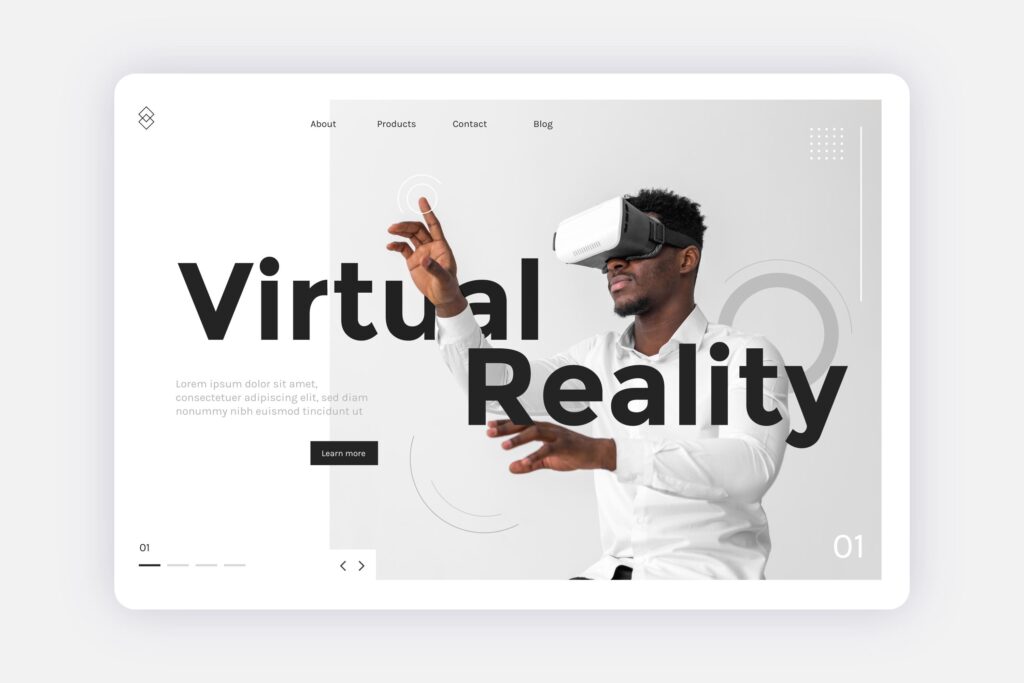
Black man wearing a VR headset interacting with a virtual reality interface on a modern website layout

Web Design Trends Dallas Businesses Should Watch in 2025

By Trend and Insight, Uncategorized, User Experience (UX), Web Design

As 2025 unfolds, web design is no longer just about visual appeal—it’s about speed, usability, and how well your site aligns with today’s digital behaviors. For Dallas businesses, staying on top of emerging trends is critical in a fast-moving, innovation-driven city. In this post, we’ll explore the top web design trends for 2025 and how Dallas-based brands can use them to boost visibility, improve user experience, and grow online.

1. Hyper-Personalized User Experiences

Modern consumers expect websites to feel custom-made. Using AI tools and behavioral analytics, websites can now:

Deliver tailored product or service recommendations

Display personalized content based on browsing history

Adjust layout based on user behavior

👉 For Dallas e-commerce stores or service-based businesses, this translates to higher engagement, stronger trust, and more conversions.

2. Voice Search Optimization & Conversational Interfaces

With voice assistants like Siri, Alexa, and Google Assistant now part of everyday life, voice search is on the rise. Your website must:

Use natural, conversational language in its content

Target long-tail keywords and questions

Feature smart chatbots and conversational UIs

🗣️ This trend can greatly improve customer support and SEO performance, especially for busy Dallas users seeking fast answers.

3. Mobile-First and Thumb-Friendly Design

With over 60% of web traffic coming from smartphones, mobile-first design isn’t optional—it’s essential. Dallas users are often on the go, so your site must:

Load quickly on all devices

Be easy to navigate with one hand

Use larger touch targets (buttons, links)

Present shorter, scannable content blocks

📱 Prioritizing mobile UX can reduce bounce rates and increase engagement.

4. Eco-Friendly and Sustainable Web Design

Today’s users—especially Millennials and Gen Z—care about sustainability. A fast, lightweight site that uses minimal server resources is not only better for performance but also better for the environment.

Tips for eco-conscious design:

Minimize use of heavy scripts and large media files

Use clean, minimalist layouts

Highlight your brand’s sustainability practices

🌱 Dallas businesses that align with these values can build deeper trust with socially conscious audiences.

5. Interactive and Immersive Experiences

Modern web design is becoming more interactive and engaging. Instead of passive browsing, users now expect:

Scroll-triggered animations

Hover effects and micro-interactions

Clickable product demos or tutorials

Immersive visual storytelling

🎮 For brands in Dallas’s creative, tech, or competitive markets, adding these elements can create more memorable user journeys.

6. Dark Mode and Inclusive Accessibility

Accessibility is a must in 2025—not just for compliance, but because users expect it. Offering:

Dark mode toggle

Scalable fonts

Keyboard navigation

Screen reader support

…makes your site usable for everyone.

🌐 Accessibility improves SEO, increases reach, and shows that your Dallas business values inclusivity.

7. Localized Design and Dallas-Centric Content

People connect with brands that feel familiar. Using local imagery, regional references, and community-focused messaging helps you:

Build stronger brand loyalty

Improve local SEO rankings

Stand out in the Dallas market

🏙️ Consider showcasing Dallas landmarks, featuring testimonials from local clients, or even adding a “Proudly Serving Dallas” statement.

Final Thoughts

Web design in 2025 is about creating smarter, faster, and more human-centered websites. For businesses in Dallas, staying ahead of these trends is not just about keeping up—it’s about standing out.

🚀 Ready to refresh your website?

📞 Contact FemStudio today and let’s build a website that grows with your business.

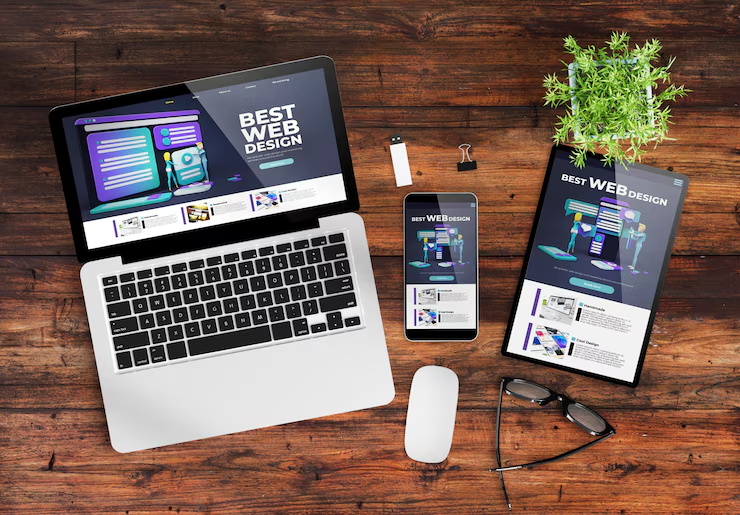
Responsive website design displayed on various devices.

Business Website Redesign: 10 Signs You Need One – FemStudio

By Trend and Insight

Your website is your digital storefront — and first impressions matter. In today’s fast-paced online world, users expect fast, visually appealing, and easy-to-navigate websites. If your current site isn’t performing the way it should, it might be time for a redesign. Below are 10 signs your business needs a website redesign.

1. Your Website Looks Outdated

Design trends evolve quickly. If your site looks like it was built in the early 2010s, potential clients may question your credibility. A modern, professional look shows that your business is current and trustworthy.

2. It’s Not Mobile-Friendly

With over half of internet traffic coming from mobile devices, a responsive design is no longer optional. If users have to pinch and zoom to navigate, you’re losing potential leads. Google’s Mobile-Friendly Test is a great place to start.

3. Slow Load Times

A slow website not only frustrates users but also hurts your SEO rankings. According to Google, pages that load within 2 seconds have significantly lower bounce rates. If your site takes longer, it’s time for performance improvements.

4. High Bounce Rates Signal the Need for a Website Redesign

If users are leaving your site quickly, something is wrong — likely design, content, or navigation. Redesigning with user experience in mind can encourage visitors to stay and explore.

5. You’re Not Getting Leads or Sales

Your website should be your best salesperson. If it isn’t converting visitors into leads or customers, a redesign can help realign your goals with user behavior.

Website navigation bar with clear menu items.

Example of a clean and easy-to-navigate website menu.

6. Navigation is Confusing

Visitors shouldn’t have to dig to find information. Clear menus, calls-to-action (CTAs), and well-organized content improve usability and increase conversions.

7. The Website Doesn’t Reflect Your Brand

Has your business evolved, but your website still represents the old you? Consistent branding builds trust and recognition. Your website should mirror your current brand identity and voice.

8. Poor SEO Performance

If you’re not showing up in search results, it could be due to outdated structure, slow speed, or missing metadata. A redesign allows you to implement current SEO best practices for better visibility.

9. You Struggle to Make Updates

If your CMS is clunky or outdated, adding new content becomes a chore. Platforms like WordPress make it easy to manage updates and blog posts yourself. We recommend tools like Elementor for drag-and-drop design flexibility.

10. You’ve Outgrown the Original Design

Businesses grow — and so should your website. What worked for a small startup may not suit a scaling company. A redesign ensures your website supports new goals, services, and audiences.

Need Help With a Redesign?

At FemStudio, we specialize in professional Web Design Services in Dallas that combine sleek aesthetics with high performance. Whether you need a refresh or a full rebuild, our team can help you create a site that drives results.

Contact us today to schedule a free consultation.

Why Quality Content Creation is Vital for Your Business Success

Why Quality Content Creation is Vital for Your Business Success

By Trend and Insight

In today’s digital-first world, content creation is more than just a marketing tactic—it’s a critical component of your brand’s overall strategy. Whether you’re looking to increase brand awareness, engage your audience, or drive traffic to your website, high-quality content is the key to achieving these goals. With the right content creation services, you can ensure that your brand’s voice is clear, engaging, and positioned for success in the competitive online landscape.

Here’s why investing in professional content creation services can be a game-changer for your business.

1. Builds Trust and Authority

Content is how you communicate with your audience, build relationships, and establish trust. When you consistently provide valuable and relevant information through blog posts, articles, social media, or videos, you position your brand as an expert in your field. Customers are more likely to trust a business that demonstrates knowledge and credibility through its content, which can significantly influence their decision-making process.

For instance, a well-written blog or informative how-to guide helps users solve a problem, positioning your business as a helpful resource. Over time, this builds loyalty and trust, which is critical for long-term success.

2. Drives Organic Traffic Through SEO

One of the primary benefits of content creation is its impact on search engine optimization (SEO). When you create content that’s optimized for relevant keywords, it improves your website’s visibility on search engines like Google. The more high-quality content you produce, the more opportunities your site has to rank for various search queries, ultimately driving organic traffic to your website.

Professional content creators understand how to research and integrate keywords naturally into your content. They also know how to structure content in a way that meets SEO best practices, ensuring that your website stays competitive in search engine rankings.

3. Engages and Retains Your Audience

Great content doesn’t just attract people to your website—it keeps them coming back. When visitors find engaging, informative, and valuable content, they’re more likely to spend time on your site and explore what you have to offer. Whether it’s blog posts, videos, or infographics, compelling content keeps your audience engaged, helping build a stronger connection with your brand.

Content creation services help craft stories that resonate with your audience, keeping them interested in your message. From entertaining social media posts to in-depth product descriptions, the right content strategy can significantly improve customer engagement and retention.

4. Boosts Social Media Presence

Content creation goes hand-in-hand with social media marketing. To keep your social media platforms active and engaging, you need fresh, relevant content regularly. Posting high-quality content on your social media channels not only keeps your current followers engaged but also helps attract new followers who can become potential customers.

By consistently sharing blog posts, videos, and other engaging content, you increase your brand’s visibility on platforms like Facebook, Instagram, LinkedIn, and Twitter. A professional content creation team can ensure that your social media presence is well-aligned with your brand and designed to maximize engagement.

5. Supports Lead Generation and Sales

Quality content plays a crucial role in converting visitors into leads and leads into customers. Content creation services help you craft various forms of content that guide potential customers through the sales funnel—from awareness to consideration to decision-making.

For example, blog posts, white papers, and case studies can educate potential customers about your products or services, while email newsletters and promotional content can encourage them to take action. A strong content marketing strategy is key to nurturing leads and driving sales.

6. Establishes a Consistent Brand Voice

Your brand’s voice is how you communicate with your audience, and it needs to be consistent across all platforms. Whether it’s through your website, blog, social media, or email marketing, consistency helps build a recognizable and trustworthy brand.

A professional content creation service works with you to develop a brand voice that aligns with your business values and resonates with your target audience. This ensures that every piece of content reflects your brand identity and delivers a cohesive message, strengthening your overall brand presence.

7. Saves Time and Resources

Creating high-quality content consistently can be time-consuming and resource-intensive. Many businesses struggle to keep up with the demand for fresh, engaging content while managing other aspects of their operations. By outsourcing your content creation to professionals, you free up valuable time and resources, allowing you to focus on your core business activities.

Content creation experts handle everything from content ideation to production, ensuring that your brand stays active and relevant online without the need for constant oversight on your part.

Conclusion

In an increasingly competitive digital landscape, content creation is more important than ever. By investing in professional content creation services, your business can build authority, boost SEO, engage your audience, and ultimately drive more leads and sales. With the right content strategy, you can elevate your brand, establish a strong online presence, and ensure your business stays relevant in today’s fast-paced digital world.

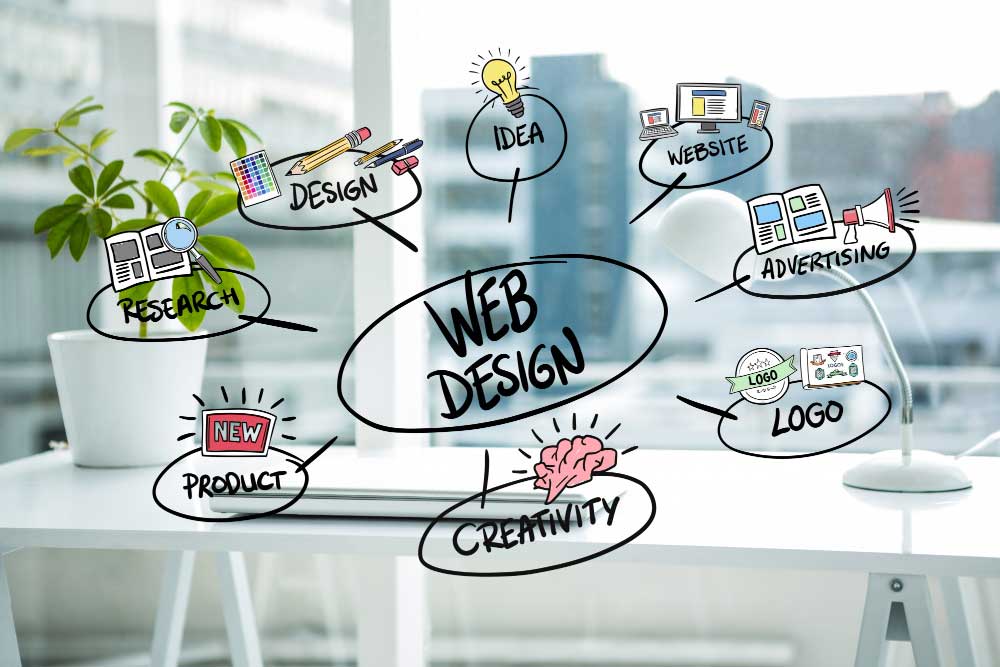
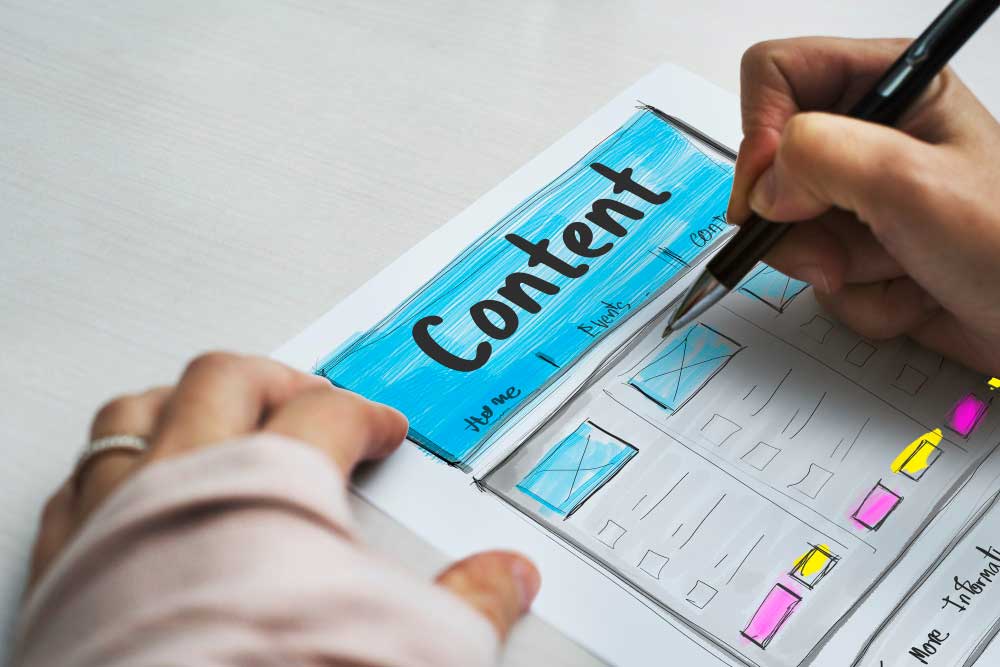
Digital content planning

Why SEO is the Backbone of Your Digital Marketing Strategy

By Trend and Insight

In the ever-evolving digital landscape, businesses are constantly searching for effective ways to reach and engage their target audience. One of the most powerful tools available to marketers is search engine optimization (SEO). SEO is the backbone of any successful digital marketing strategy, ensuring that your website ranks higher on search engines like Google and attracts organic traffic. Without strong SEO practices in place, even the best-designed website or digital campaign may go unnoticed by potential customers.

In this blog post, we’ll explore why SEO is so crucial for your business and how it can be the key to unlocking long-term success.

1. Increased Visibility and Traffic

The primary goal of SEO is to improve your website’s visibility on search engine results pages (SERPs). When your website appears higher in search results, more people are likely to click on it. Statistics show that the majority of clicks go to the top five results, with very few users scrolling past the first page. A well-optimized site improves your chances of ranking higher, driving more organic traffic to your website.

SEO experts use various techniques—like optimizing keywords, improving site speed, and building quality backlinks—to ensure your site is visible to people searching for products or services you offer. The more visible your website is, the more traffic it generates, leading to better opportunities for customer engagement and conversions.

2. Builds Credibility and Trust

When people search for products or services online, they tend to trust websites that rank higher on search engines. By implementing effective SEO strategies, you can position your business as a credible and trustworthy source of information. High rankings not only build trust with potential customers but also establish your business as an authority in your industry.

On-page optimization, such as high-quality content, meta descriptions, and optimized images, helps improve the user experience, which is a critical component of SEO. The better the experience your website provides, the more likely search engines are to rank it higher. This, in turn, fosters trust and loyalty among your audience, increasing your chances of converting visitors into customers.

3. Cost-Effective Marketing

Compared to traditional advertising methods like paid ads or billboards, SEO is a cost-effective marketing strategy. While it requires an initial investment of time and resources, the long-term benefits of SEO far outweigh the costs. Once your website is well-optimized and starts ranking higher on search engines, it will continue to attract organic traffic without the need for constant spending on ads.

Unlike paid advertising, where traffic drops off as soon as your budget is exhausted, SEO helps you maintain a steady flow of visitors over time. It’s a sustainable marketing strategy that keeps delivering results long after your initial efforts.

4. Drives Targeted Traffic

One of the significant advantages of SEO is that it drives highly targeted traffic to your website. People who are actively searching for products or services related to your business are more likely to convert into paying customers. SEO allows you to optimize your site for relevant keywords that your target audience is searching for, ensuring that the right people are finding your business.

For example, if you run an e-commerce store selling organic skincare products, optimizing your site for keywords like “best organic skincare” or “natural skincare products” helps attract potential customers who are already interested in what you offer. This increases the likelihood of conversions and boosts your return on investment (ROI).

5. Improves User Experience

A core component of SEO is optimizing your website to provide the best possible experience for visitors. Search engines like Google prioritize sites that are user-friendly, fast, and mobile-responsive. As part of your SEO strategy, you’ll need to ensure that your website loads quickly, has intuitive navigation, and offers valuable content that meets users’ needs.

When your site is easy to navigate and offers a positive user experience, visitors are more likely to stay longer, explore your offerings, and eventually convert. A seamless user experience also reduces bounce rates, another factor that search engines use to determine your rankings.

6. Stay Ahead of Competitors

Your competitors are likely investing in SEO, and if you’re not, you risk falling behind. By continuously optimizing your website and staying up-to-date with the latest SEO trends and best practices, you can stay ahead of the competition. A well-executed SEO strategy helps you outrank competitors and capture a larger share of organic traffic.

In addition, SEO analytics and tools allow you to monitor your performance and make data-driven decisions to improve your strategy over time. This means you can quickly adapt to changes in search algorithms, consumer behavior, or industry trends, ensuring your business remains competitive in the digital space.

7. Provides Long-Term Results

Unlike short-term marketing tactics like paid ads, SEO offers long-lasting results. Once you’ve optimized your site and established a strong online presence, you’ll continue to reap the benefits for months or even years to come. While SEO requires consistent effort, the results compound over time, making it one of the most effective long-term digital marketing strategies available.

Regularly updating your content, optimizing for new keywords, and staying on top of technical SEO aspects ensure your website remains relevant and continues to perform well in search rankings.

Conclusion

SEO is an indispensable part of any digital marketing strategy. By improving your website’s visibility, driving targeted traffic, and building credibility with your audience, SEO can significantly impact your business’s growth and success. It’s a cost-effective, sustainable way to stay ahead of the competition and ensure your website ranks highly on search engines, bringing in more potential customers and boosting your bottom line.

Investing in professional SEO services will not only enhance your online presence but also help you achieve your long-term business goals in an increasingly digital world.